Key Takeaways
- AI-driven tools significantly reduce the time spent on manual patient intake and documentation
- Differential diagnosis software provides probability-based insights to support clinical decision-making
- Integrated medication safety modules use verified FDA and EMA data to prevent prescription errors
- Automated clinical summaries allow physicians to focus on patient interaction rather than data entry
In the current healthcare landscape, physicians are facing an unprecedented volume of administrative work. The integration of AI for differential diagnosis is no longer a futuristic concept but a necessary evolution to ensure both practitioner well-being and patient safety. By automating the preliminary stages of data gathering, tools like EduMedic.ai are redefining the standard of care.
Traditional methods of patient intake often lead to incomplete histories and rushed consultations. When doctors spend more time looking at screens than at their patients, the therapeutic alliance suffers. According to research published on PubMed, administrative burden is a primary driver of physician burnout globally.
The Evolution of Clinical Decision Support Systems Benefits

EduMedic.ai
Buy NowImproving Accuracy in High-Pressure Environments
One of the primary clinical decision support systems benefits is the reduction of human error. AI systems can cross-reference vast databases of medical literature faster than any human, ensuring that rare conditions are not overlooked during a busy shift.
Standardizing Patient Intake Protocols
Standardization ensures that no critical question is left unasked. By using automated tools, clinics can ensure that every patient provides a comprehensive history before they even step into the exam room.
How to Speed Up Medical Consultations via Automation
The Power of Pre-Visit Patient Data Collection Tools
Efficient patient data collection tools for doctors allow patients to input their symptoms and history at home. This preparation means the physician begins the consultation with a clear clinical picture, saving an average of 5-10 minutes per visit.
Transitioning from Raw Data to Actionable Insights
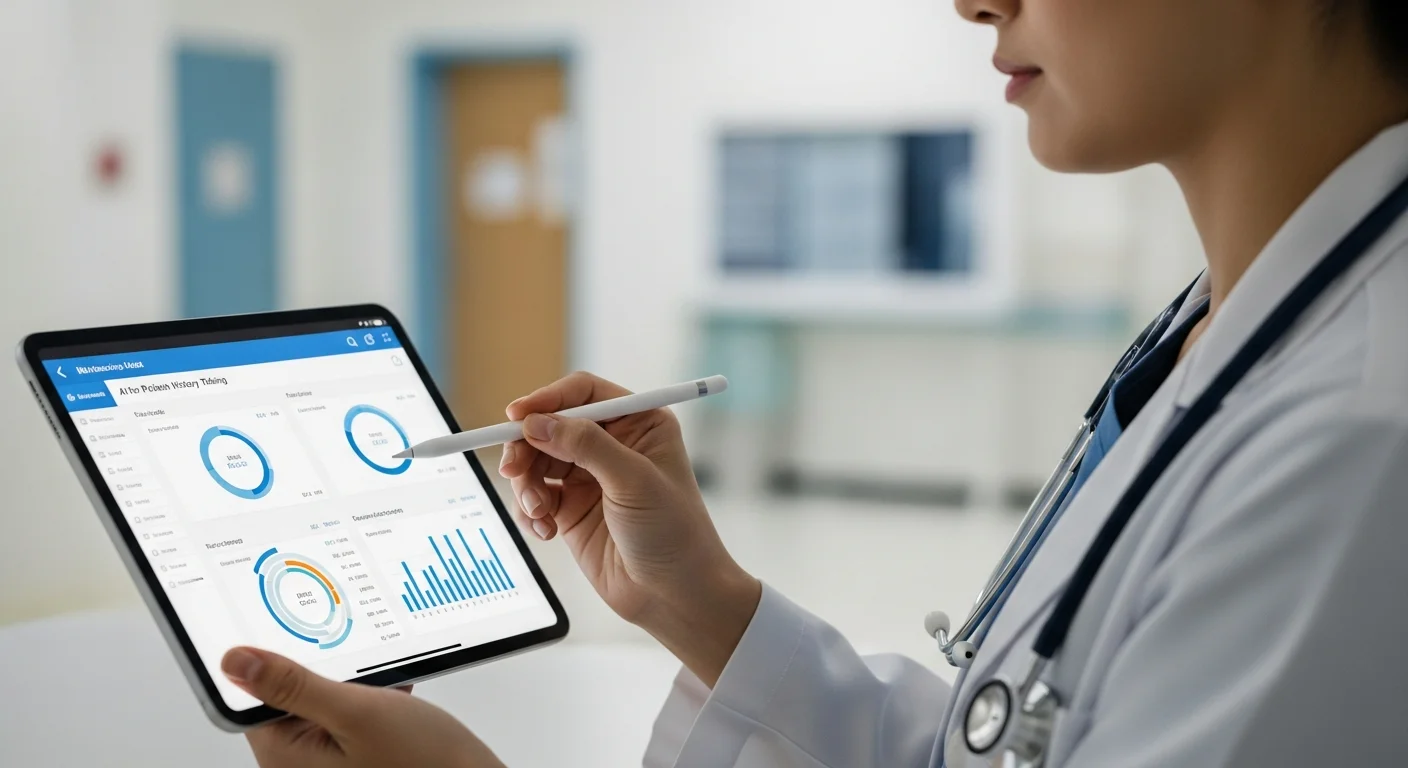
Raw data is often overwhelming. Modern AI processes these inputs into structured summaries, highlighting red flags and relevant comorbidities that require immediate attention during the physical examination.
Ready to transform your practice with AI-driven summaries?
Try EduMedic.ai Today →Leveraging AI for Differential Diagnosis and Probabilities
Using Diagnostic Probability Software for Accuracy
Effective diagnostic probability software provides a list of potential diagnoses ranked by likelihood. This helps doctors prioritize tests and treatments based on statistical evidence rather than just intuition.
Reducing Diagnostic Momentum and Cognitive Bias
AI acts as a neutral second opinion. It helps mitigate cognitive biases, such as anchoring, by presenting alternative diagnoses that might fit the patient's specific symptom profile but were not initially considered.
Enhancing Safety with Medication Safety Modules for Physicians
Verified Data from FDA, EMA, and Basemed
Trustworthy medication safety modules for physicians must rely on authoritative sources. According to the U.S. Food and Drug Administration (FDA), thousands of medication errors occur annually due to complex dosing and drug interactions.
Specific Warnings vs. Generic Alerts
Generic alerts often lead to "alert fatigue." Modern AI provides drug-specific warnings tailored to the patient's unique metabolic profile and current medication list, ensuring the alerts are clinically relevant.
Explore verified drug tables and safety modules for your clinic.
Access Verified Drug Data →The Impact of Automated Clinical Summaries for Doctors
Efficiency Gains: AI vs Manual Clinical Documentation
Comparing AI vs manual clinical documentation reveals a massive gap in efficiency. Automated summaries can be generated in seconds, whereas manual transcription can take up to 40% of a physician's working day.
Enhancing Communication with Action-Ready Summaries
A summary is only useful if it is actionable. AI structures information so that the most important findings are presented first, allowing for faster decision-making in emergency or high-volume settings.
| Feature | EduMedic AI Benefit |
|---|---|
| Data Collection | Pre-visit collection ensures patients are prepared before the consultation. |
| Diagnosis | Differential diagnosis with probability percentages (%) for higher precision. |
| Safety | Drug tables with verified sources like Basemed, FDA, and EMA. |
Utilizing Prognostic Timeline Tools in Healthcare
Clear Rules for Stopping and Starting Treatment
Implementing prognostic timeline tools in healthcare allows clinicians to visualize the expected trajectory of a patient's recovery. These tools include clear stopping rules for medications, preventing over-prescription.
Communicating Prognosis to Patients
Visual timelines make it easier for patients to understand their care plan. When patients see a clear path forward, compliance rates for long-term treatments tend to increase significantly.
Frequently Asked Questions
How does AI for differential diagnosis actually work?
AI for differential diagnosis analyzes patient symptoms against a vast database of clinical knowledge and research. It uses machine learning algorithms to calculate the statistical probability of various conditions, providing a prioritized list for the doctor to review.
Can automated clinical summaries replace doctors?
No, AI is designed to augment clinical judgment, not replace it. Automated clinical summaries handle the heavy lifting of data organization, allowing physicians to apply their expertise to complex decision-making and patient care.
How do clinical decision support systems benefits affect patient outcomes?
By providing evidence-based insights and safety alerts, these systems reduce errors and ensure that patients receive the most accurate treatment plans quickly. This leads to faster recovery times and higher overall satisfaction.
Is patient data collected by EduMedic.ai secure?
Security is paramount in healthcare. EduMedic.ai follows strict data protection protocols to ensure all patient information is encrypted and handled in compliance with medical privacy regulations like GDPR and HIPAA.
What are the main advantages of medication safety modules?
The main advantages include preventing adverse drug reactions, ensuring correct dosages, and providing real-time alerts about drug-drug or drug-disease interactions based on verified data from the FDA and EMA.
Conclusion
The integration of AI in clinical settings is no longer just an option—it is a competitive necessity. By leveraging AI for differential diagnosis and automated clinical summaries, healthcare providers can reclaim their time and focus on what truly matters: the patient. According to the World Health Organization, digital health interventions are crucial for achieving universal health coverage.
Tools like EduMedic.ai bridge the gap between complex raw data and practical clinical action. From prognostic timelines to medication safety, the future of medicine is data-driven, efficient, and patient-centric. Embrace the transformation today to build a more resilient and effective healthcare practice.
Ready to optimize your clinical workflow?
Get Started with EduMedic AI →About the Author

Written by Aurelian Jibleanu, AI Software Engineer
Aurelian Jibleanu is an AI Software Engineer with 5+ years in AI medical applications and smart medical devices & 11+ years of experience building intelligent applications. Specializing in machine learning and medical data science, he's passionate about making AI accessible and practical for everyone. www.dollarappdev.com www.url2ad.com www.edumedic.ai https://apps.shopify.com/seo-auto-write-easy-blog