Key Takeaways
- Automated patient data collection significantly reduces the time spent on manual intake during consultations
- AI powered clinical summaries help doctors move quickly from raw information to informed clinical decisions
- Verified drug databases from FDA and EMA ensure medication safety and accurate prescribing
- Probability based differential diagnosis tools support higher diagnostic accuracy and reduce cognitive load
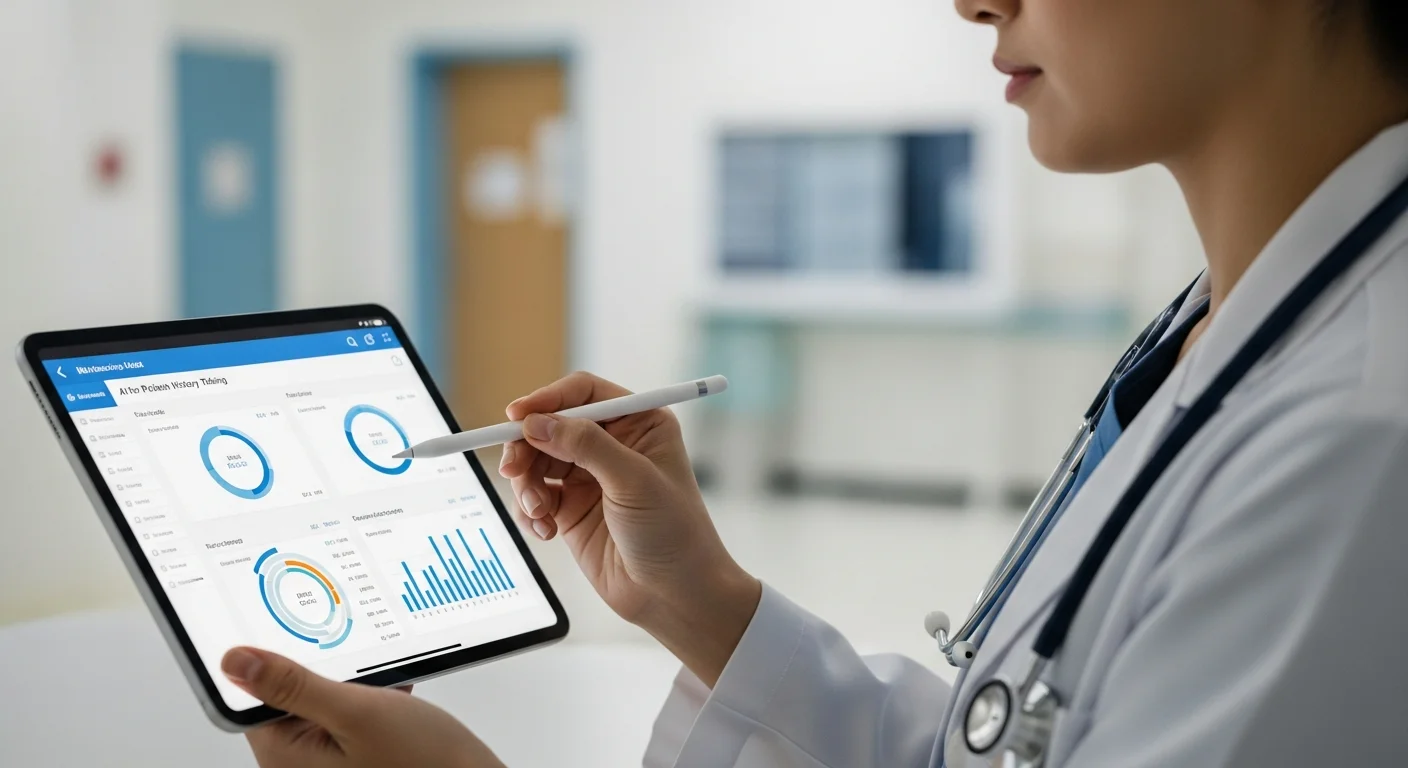
The modern medical landscape is increasingly defined by data overload and time constraints. Physicians often spend more time navigating electronic health records than interacting with their patients. This disconnect has led to rising rates of physician burnout and a critical need for smarter technology solutions.
According to research on clinical decision support efficiency, implementing AI-driven tools can reduce administrative burdens by up to 30%. EduMedic.ai steps into this gap, offering a seamless way to collect essential patient information before the visit even begins.
Why Doctors Need Clinical Decision Support Tools

EduMedic.ai
Buy NowReducing Cognitive Load
Clinicians are required to process hundreds of data points per patient. Clinical decision support tools act as a secondary cognitive layer, filtering noise and highlighting the most critical symptoms and risk factors.
Enhancing Diagnostic Accuracy
Diagnostic errors often stem from a lack of comprehensive data at the moment of decision. By utilizing AI for patient history taking, doctors ensure that no red flag is missed during the initial intake process.
AI for Patient History Taking: The New Standard
Pre-Visit Data Collection
EduMedic.ai begins its work before the patient walks through the clinic doors. It collects automated patient data, allowing the patient to describe their symptoms in a structured format that AI then converts into medical terminology.
Ready to reclaim 15 minutes per consultation?
Start using EduMedic.ai today →Transforming Raw Data into Clinical Insights
Raw notes are often messy. EduMedic uses natural language processing to create a ready-to-act clinical summary. This means the doctor spends less time typing and more time performing physical examinations and counseling.
How to Improve Clinical Efficiency via Automation
Streamlining Medical Consultations
When the physician opens the patient file, they aren't looking at a blank page. They see a prioritized list of concerns. This clinical workflow optimization allows for a higher volume of patients without sacrificing the quality of care.
Optimized Patient Flow
According to the Wikipedia entry on clinical workflows, automation is the primary driver of modern healthcare productivity. By front-loading the history taking, the "bottleneck" of the visit is effectively removed.
The Benefits of Clinical Summary Software and AI Diagnosis
Probability-Based AI Differential Diagnosis
EduMedic provides a detailed AI differential diagnosis with clear probability percentages (%). This helps the doctor consider rare conditions that might otherwise be overlooked by cognitive bias.
Explore the advanced differential diagnosis module.
See EduMedic in action →Actionable Summaries and Prognosis
The software doesn't just list possibilities; it provides a prognosis timeline with clear stop rules. This guided approach ensures that follow-up care is standardized and evidence-based.
Verified Medication Safety Modules for Prescribers
Drug Interaction Checker and Evidence-Based Warnings
Prescribing safety is paramount. EduMedic includes medication tables sourced from verified entities like the US Food and Drug Administration (FDA) and the European Medicines Agency (EMA).
Specific Rather Than Generic Warnings
Unlike traditional systems that flood users with generic pop-ups, EduMedic provides evidence-based medication warnings specific to the patient's current profile, reducing "alert fatigue" for the clinician.
| Feature Comparison | Manual Consultation | EduMedic AI Enhanced |
|---|---|---|
| Intake Time | 10-15 Minutes | 0 Minutes (Pre-collected) |
| Data Organization | Raw Unstructured Notes | Ready-to-Act Clinical Summary |
| Diagnostic Support | Clinician Memory Only | AI Differential with % probabilities |
| Safety Checks | Manual verification | Verified Basemed/FDA/EMA Modules |
Frequently Asked Questions
How do clinical decision support tools improve efficiency?
These tools automate the repetitive tasks of data gathering and synthesis. By providing a clinical summary immediately, they save the physician the time typically spent digging through files or re-asking the same history questions.
Is the AI for patient history taking secure?
EduMedic prioritize data security and patient privacy. All information is encrypted and handled according to medical data standards, ensuring that patient confidentiality is never compromised during the history-taking phase.
What sources are used for the drug interaction checker?
Our modules use verified data from Basemed, the FDA, and the EMA. This ensures that the medication warnings and safety data are based on the latest clinical guidelines and regulatory updates.
Can AI actually provide a differential diagnosis?
Yes, EduMedic.ai analyzes the symptoms and patient history to generate a differential diagnosis. It includes probabilities for each potential condition, which serves as a guide for the physician to confirm or rule out diagnoses through testing.
Does this tool help with physician burnout?
Absolutely. By reducing the administrative burden and streamlining medical consultations, doctors can focus on the aspects of medicine they love—treating patients—rather than spending hours on data entry and manual summarization.
Ready to transform your clinical workflow?
Try EduMedic.ai for free →Conclusion
The integration of AI for patient history taking is no longer a futuristic concept—it is a current necessity for efficient, safe, and effective medical practice. Tools like EduMedic.ai bridge the gap between patient information and clinical action, ensuring that every minute of a consultation is spent on high-value decision-making.
By leveraging probability-based differential diagnoses and verified medication safety modules, healthcare providers can improve diagnostic accuracy while significantly reducing their daily cognitive load. Embracing these technologies is the key to creating a sustainable healthcare system where both doctors and patients thrive.
About the Author

Written by Aurelian Jibleanu, AI Software Engineer
Aurelian Jibleanu is an AI Software Engineer with 5+ years in AI medical applications and smart medical devices & 11+ years of experience building intelligent applications. Specializing in machine learning and medical data science, he's passionate about making AI accessible and practical for everyone. www.dollarappdev.com www.url2ad.com www.edumedic.ai https://apps.shopify.com/seo-auto-write-easy-blog