Key Takeaways
- AI clinical summaries reduce administrative burden and shorten consultation times
- Automated patient intake ensures doctors receive structured data before the visit begins
- Differential diagnosis tools with probability percentages improve clinical decision accuracy
- Verified drug tables from FDA and EMA sources enhance medication safety and compliance
The modern medical landscape is increasingly defined by a growing administrative burden that threatens to overshadow direct patient care. Physicians today spend a significant portion of their day documenting histories rather than performing clinical examinations. Implementing an AI clinical summary for doctors is no longer a luxury but a necessity for sustainable practice.
By leveraging advanced technology, clinicians can shift their focus from data entry to high-level decision-making. Solutions like EduMedic.ai bridge the gap between raw patient narratives and professional medical documentation, ensuring every minute of the consultation is used effectively. This transition represents a fundamental shift in how we approach the healthcare workflow.
The Evolution of Patient Care: How to Reduce Clinical Consultation Time

EduMedic.ai
Buy NowThe Challenge of Administrative Load
According to research on physician burnout from the National Institutes of Health, administrative tasks are the leading cause of professional exhaustion. Doctors are frequently forced to navigate fragmented data during live consultations. This delay impacts both the provider's mental health and the patient's satisfaction.
Why Patient Preparation Matters
A well-prepared patient is the foundation of a swift consultation. When patients provide their symptoms and history through an automated clinical history tool before they arrive, the doctor starts the meeting with a full clinical context. This eliminates the first 10 minutes of repetitive questioning.
Ready to reclaim your clinical time and reduce burnout?
Discover EduMedic.ai Today →Maximizing Efficiency with an AI Clinical Summary Tool
Turning Raw Data into Action
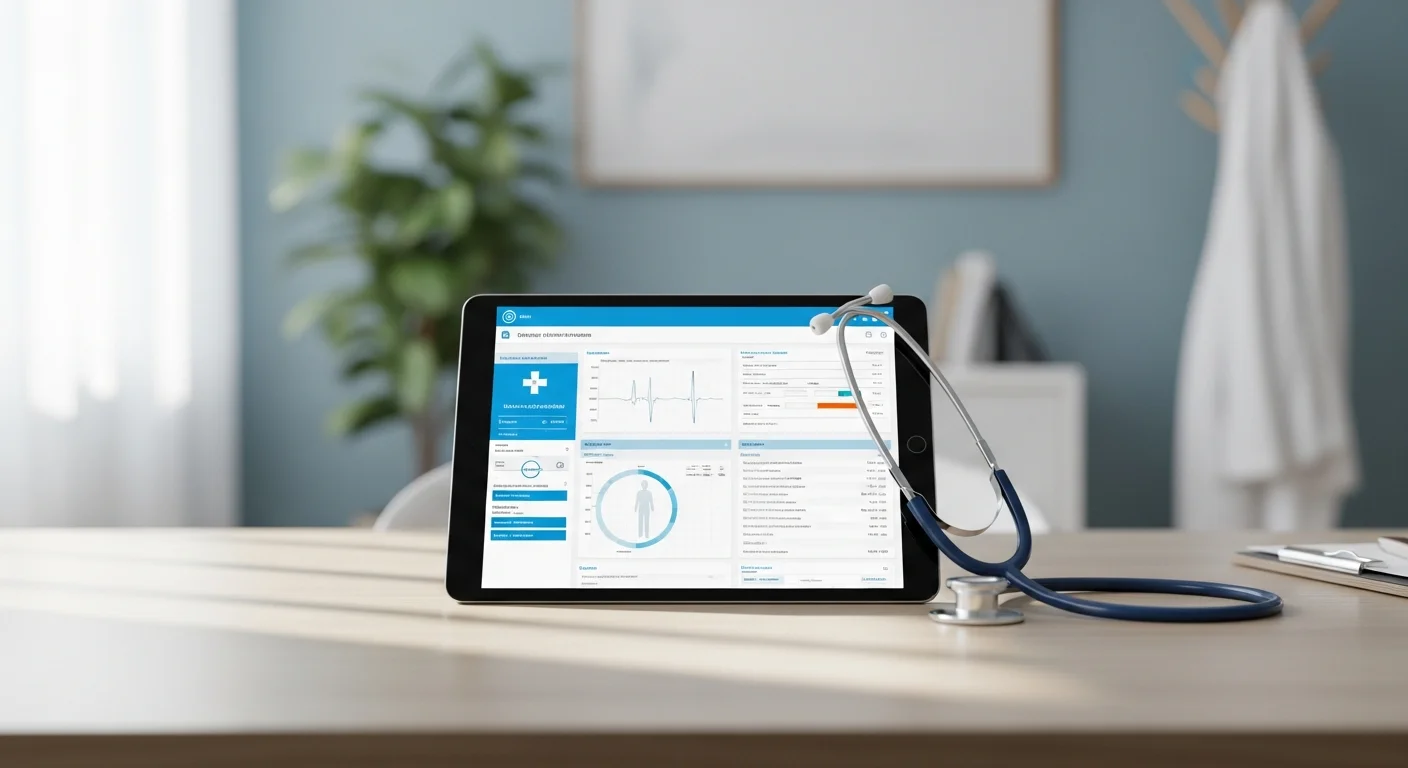
EduMedic takes raw text from patient intake forms and converts it into a structured, professional clinical summary. This means the clinician doesn't have to sift through pages of notes. The AI highlights key symptoms and relevant history points instantly.
Streamlining the Workflow
By integrating an AI clinical summary, clinics can see more patients without compromising the quality of care. The summary acts as a "ready-to-act" document that can be pasted directly into an Electronic Medical Record (EMR). This ensures consistency in documentation and reduces the risk of missing critical details.
Enhancing Accuracy with an AI Differential Diagnosis Tool
Probability-Based Diagnosis
The AI differential diagnosis tool provided by EduMedic doesn't just list possibilities; it assigns probability percentages. This data-driven approach assists doctors in prioritizing which tests to order first, saving both time and patient money.
Reducing Human Bias
Cognitive biases are inherent in clinical practice. As noted in the Wikipedia overview of clinical decision support systems, AI serves as an objective second opinion that can alert doctors to rare conditions they might not have considered initially.
Enhance your diagnostic precision with AI-driven probabilities.
Explore Differential Tools →Prioritizing Safety through Clinical Medication Safety Modules
Verified Drug Tables (FDA/EMA)
Safety is paramount when prescribing. EduMedic utilizes verified drug interaction tables sourced directly from the U.S. Food and Drug Administration (FDA) and the European Medicines Agency (EMA). This ensures that every prescription is backed by current regulatory data.
Specific Medication Warnings
Generic warnings often go ignored due to "alert fatigue." EduMedic provides drug-specific warnings that are highly relevant to the patient's unique clinical summary, reducing the likelihood of adverse drug events (ADEs).
The Strategic Advantages of Automated Patient Intake Benefits
Better Prepared Patients
When patients engage with the EduMedic platform before their visit, they are forced to reflect on their symptoms. This process leads to more accurate reporting and a clearer understanding of their own health status, facilitating a more meaningful conversation with the physician.
| Feature | Impact on Consultation |
|---|---|
| Pre-visit Data Collection | Reduces initial questioning time by up to 50% |
| AI Summary Generation | Instant professional documentation for EMRs |
| Differential Diagnosis | Higher probability of early accurate diagnosis |
| Medication Safety Checks | Drastic reduction in preventable prescription errors |
Improving the Doctor-Patient Bond
Technology should humanize medicine, not alienate it. Because the doctor is not buried in a screen typing, they can maintain eye contact and listen more effectively. This is one of the primary automated patient intake benefits that clinicians often overlook.
Ready to transform your practice and improve patient intake?
Start Your Free Trial →
Frequently Asked Questions
How does AI improve patient intake exactly?
AI improves intake by using natural language processing to understand patient symptoms and organizing them into a medical format. It ensures all necessary fields are completed before the patient sees the doctor, preventing information gaps.
Is an AI clinical summary accurate for complex cases?
Yes, advanced models like those used by EduMedic are designed to handle complex histories by cross-referencing data with clinical guidelines. However, the AI acts as a support tool; the final clinical decision always rests with the human physician.
Can it help reducing physician burnout with AI?
By automating the most tedious parts of the job—documentation and data extraction—AI significantly lowers the cognitive load and administrative time that typically leads to clinician burnout and job dissatisfaction.
How secure is the patient data in EduMedic?
EduMedic prioritizes data security and privacy, adhering to international standards for health data protection. Encryption and strict access controls ensure that sensitive patient information remains confidential and secure.
What are clinical decision support system advantages?
The main advantages include improved diagnostic accuracy, enhanced patient safety via medication alerts, and more efficient resource utilization within the clinic. It acts as a digital safety net for the healthcare provider.
Conclusion
The integration of AI in clinical settings is no longer a futuristic concept—it is a current standard for high-efficiency practices. By understanding how to reduce clinical consultation time through the use of clinical summaries and automated intake, healthcare providers can offer better care while maintaining their own well-being.
EduMedic.ai offers a comprehensive suite of tools designed to handle everything from data collection to differential diagnosis. By adopting these technologies, clinics can ensure that they remain competitive and patient-centered in an increasingly digital world. The future of medicine is efficient, safe, and data-driven.
About the Author

Written by Aurelian Jibleanu, AI Software Engineer
Aurelian Jibleanu is an AI Software Engineer with 5+ years in AI medical applications and smart medical devices & 11+ years of experience building intelligent applications. Specializing in machine learning and medical data science, he's passionate about making AI accessible and practical for everyone. www.dollarappdev.com www.url2ad.com www.edumedic.ai https://apps.shopify.com/seo-auto-write-easy-blog