Key Takeaways
- AI-driven tools significantly reduce physician burnout by automating administrative and data-entry tasks
- Pre-visit data collection ensures that doctors spend more time on clinical decisions and less on basic history taking
- Differential diagnosis software with probability scores provides a second layer of validation for complex clinical cases
- Access to EMA and FDA verified databases within the workflow minimizes medication errors and enhances patient safety
The modern healthcare landscape is shifting under the weight of rising patient volumes and increasingly complex clinical data. For many physicians, the primary challenge is no longer a lack of information, but the overwhelming amount of it. AI in healthcare for doctors has emerged as a transformative force, capable of turning raw patient data into actionable clinical insights. By leveraging advanced algorithms, tools like EduMedic are redefining how consultations are conducted.
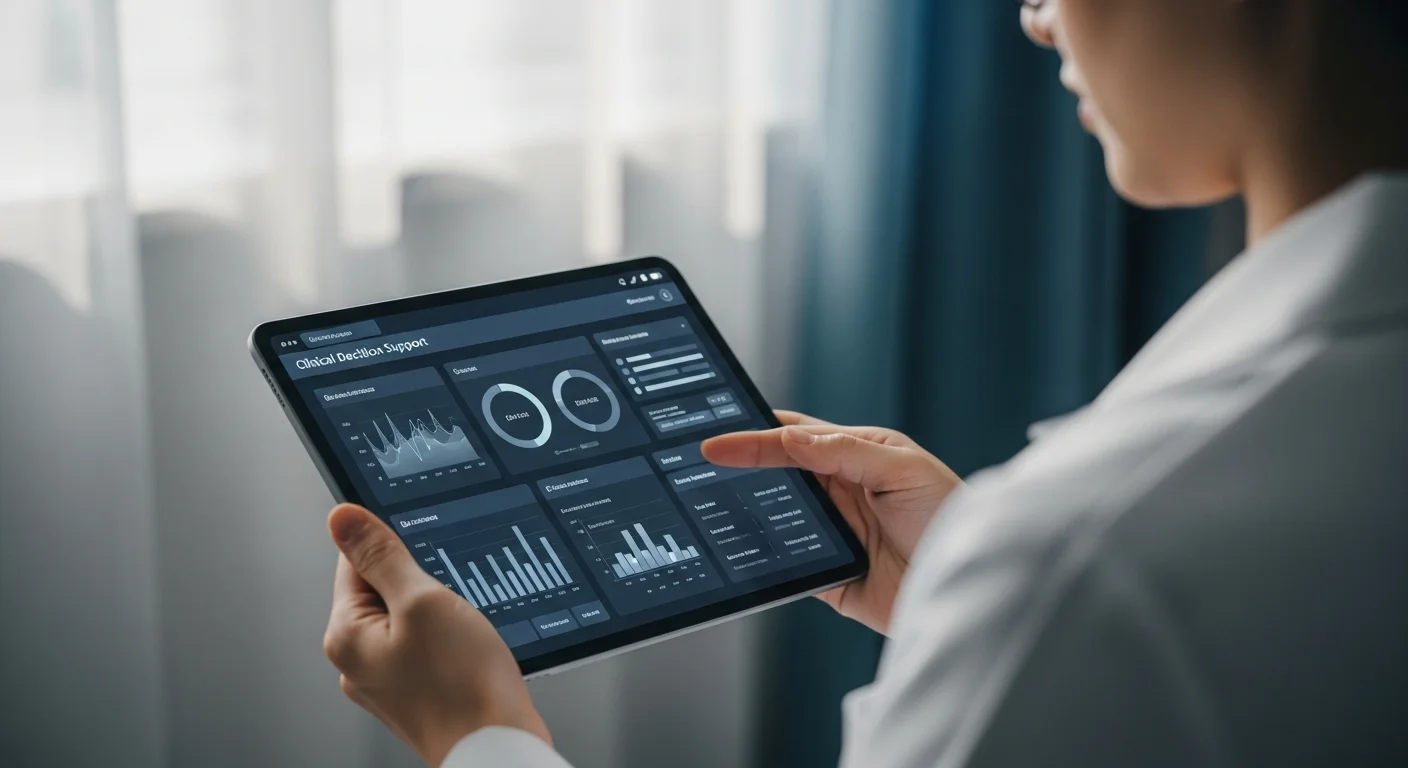
A core component of this transformation is the clinical decision support system. These systems do not replace the doctor; instead, they act as an intelligent co-pilot. According to World Health Organization, digital health interventions are crucial for strengthening health systems and achieving universal health coverage. The goal is to provide a comprehensive AI clinical summary for doctors that highlights critical symptoms and potential risks before the patient even enters the room.
Ready to transform your clinical workflow?
Discover EduMedic.ai Today →The Evolution of AI in Healthcare for Doctors

EduMedic.ai
Buy NowFrom Data Management to Decision Support
Historically, medical software was focused on administrative billing and simple electronic health record (EHR) storage. Today, AI has transitioned from basic record-keeping to sophisticated clinical decision support tools. These advancements allow for the real-time processing of patient history, laboratory results, and genetic data to assist in complex diagnostics.
Reducing Physician Cognitive Load
One of the most significant clinical decision support system benefits is the reduction of cognitive load. By organizing unstructured data into a structured format, AI allows doctors to focus on the nuanced human aspects of care. As cited by the Journal of the American Medical Association, physician burnout is frequently linked to high electronic administrative burdens.
Real-Time Evidence-Based Medicine
AI tools now provide immediate access to the latest medical literature and guidelines. Instead of searching through journals, clinicians receive summarized evidence pertinent to the specific patient case, ensuring that every decision is backed by current gold standards in medicine.
Maximizing Clinical Decision Support System Benefits
Optimizing Diagnostic Accuracy
According to research on diagnostic error reduction, clinical decision support systems can reduce misdiagnosis rates by up to 20%. These systems cross-reference symptoms against thousands of potential conditions, ensuring rare diseases are not overlooked.
Improving Patient Outcomes and Safety
The integration of automated alerts and warnings prevents critical errors. By highlighting potential drug interactions or allergic reactions early, AI systems directly contribute to higher safety standards and better long-term patient health outcomes.
Standardizing Care Across Clinics
AI ensures that all patients receive a consistent level of care regardless of which clinician they see. By providing a unified digital health tool for diagnostic accuracy, clinics can maintain strict adherence to institutional and international protocols.
Streamlining Pre-Visit Patient Data Collection Tools
Automated Medical History Taking
One of the most effective ways how to reduce physician burnout is by automating the collection of patient history. Pre-visit forms allow patients to detail their symptoms in their own words, which the AI then parses into a clinical format for the doctor.
Spend more time with patients, less with paperwork.
Try EduMedic for Free →Preparation Before the Encounter
When a clinician has access to a structured patient summary before the visit, the entire dynamic changes. The consultation becomes a targeted discussion rather than an interrogation, greatly improving medical consultation efficiency.
Enhanced Patient Engagement
Patients feel better prepared and more involved in their care when they are asked to provide information beforehand. This collaborative approach builds trust and ensures that patient concerns are documented clearly without the pressure of a limited exam room time slot.
Enhancing Accuracy with Differential Diagnosis Software
Algorithmic Probabilities for Better Decisions
Modern differential diagnosis software with probabilities helps clinicians rank potential causes of symptoms. By using Bayesian statistics, tools can suggest conditions that might not be immediately obvious, providing a statistical basis for further testing.
Integrating Evidence from Authoritative Sources
Reliable software must pull from verified sources. EduMedic integrates data from the FDA and the EMA, ensuring that diagnostic paths and treatment suggestions comply with the highest regulatory standards globally.
| Traditional Workflow | EduMedic AI Workflow |
|---|---|
| 15 minutes of manual history taking | 2 minutes reviewing AI-generated summary |
| Manual cross-referencing of drugs | Automated drug safety module alerts |
| Mental differential list only | Probability-weighted differential diagnosis list |
Integrating Medication Safety Modules for Clinicians
Verified Drug Databases: Basemed, FDA, and EMA
Medication errors are a significant concern in clinical practice. By using medication safety modules for clinicians that access the MedlinePlus database, EduMedic provides verified drug tables and warnings that are specific to the dosage and condition, not just generic alerts.
Real-time Drug-Drug Interaction Monitoring
The complexity of polypharmacy in elderly patients requires precise monitoring. AI systems can instantly check for contraindications against the patient's entire medication list, including over-the-counter supplements, which are often missed during verbal history taking.
The Impact of Improving Medical Consultation Efficiency
Reducing Wait Times and Administrative Burden
By streamlining the intake process, clinics can handle higher patient volumes without compromising the quality of care. Efficient data collection means that more patients can be seen in a day, reducing overall wait times for the community.
The AI-Driven Prognostic Timeline
Predicting the course of a disease is vital for patient planning. An AI-driven prognostic timeline for patients provides clear rules for when treatment should be modified or stopped, offering clarity and peace of mind to both the patient and the physician.
Join the future of medicine with EduMedic.
Get Started Now →
Frequently Asked Questions
How does EduMedic improve diagnostic accuracy?
EduMedic uses a differential diagnosis engine that calculates condition probabilities based on patient data and symptoms. By cross-referencing this against vast clinical datasets, it helps clinicians identify both common and rare conditions that match the clinical presentation.
Is patient data secure within AI healthcare tools?
Yes, professional AI healthcare tools like EduMedic are designed to meet strict HIPAA and GDPR standards. Data encryption and secure access protocols ensure that patient confidentiality is maintained while still allowing for advanced data analysis.
Can AI replace a doctor's final decision?
No, clinical decision support systems are meant to support, not replace, medical professionals. The final clinical decision always rests with the physician, but the AI provides the summarized data and evidence needed to make that decision more accurately and quickly.
What databases does EduMedic use for medication safety?
EduMedic integrates medication data from globally recognized authorities including Basemed, the FDA, and the EMA. This ensures that drug interactions, dosages, and contraindications are always based on the most current and verified pharmaceutical information.
How does pre-visit collection reduce burnout?
By automating the repetitive task of medical history taking, doctors save 5-10 minutes per consultation. This cumulative time reduction decreases administrative fatigue and allows for a more relaxed, high-quality interaction with the patient.
Conclusion
The implementation of AI in healthcare for doctors is no longer a futuristic concept—it is a current necessity for efficient practice management. By utilizing pre-visit patient data collection tools and differential diagnosis software with probabilities, clinicians can ensure higher diagnostic accuracy while significantly reducing the risk of burnout. The time saved during intake allows for what truly matters: a deeper, more empathetic connection between the doctor and the patient.
Tools like EduMedic provide a structured, evidence-based approach to clinical decision-making. From verified medication safety modules to intelligent prognostic timelines, the benefits are clear for both the provider and the patient. As the industry continues to evolve, those who embrace these digital health innovations will lead the way in providing superior care.
About the Author

Written by Aurelian Jibleanu, AI Software Engineer
Aurelian Jibleanu is an AI Software Engineer with 5+ years in AI medical applications and smart medical devices & 11+ years of experience building intelligent applications. Specializing in machine learning and medical data science, he's passionate about making AI accessible and practical for everyone. www.dollarappdev.com www.url2ad.com www.edumedic.ai https://apps.shopify.com/seo-auto-write-easy-blog