Key Takeaways
- AI intake tools significantly reduce the time spent on manual data entry during consultations.
- Differential diagnosis probability scoring provides a data-backed starting point for clinical reasoning.
- Integration with verified sources like FDA and EMA ensures high-level medication safety and compliance.
- Visual prognosis timelines help both clinicians and patients understand the expected course of treatment.
The modern healthcare landscape is shifting under the weight of administrative burdens and increasing patient complexity. Clinicians are often forced to choose between thoroughness and speed, a dilemma that contributes to rising rates of physician burnout. However, the emergence of EduMedic.ai is proving that clinical decision support system benefits are tangible, offering a bridge between raw patient data and effective clinical action.
By automating the collection of essential information before the patient even enters the exam room, medical professionals can reclaim valuable time. According to research on healthcare administrative efficiency, digital intake processes can reduce redundant documentation by up to 40%. This shift allows doctors to focus on the human element of care while the AI handles the heavy lifting of data synthesis.
How to Improve Patient Consultation Efficiency

EduMedic.ai
Buy NowStreamlining the Intake Process
One of the most effective ways to optimize time is by using automated patient intake tools. These systems gather symptoms, medical history, and current medications before the visit. This ensures the clinician enters the room with a comprehensive overview rather than starting from zero.
Turning Raw Data into Actionable Summaries
EduMedic transforms fragmented patient stories into a coherent, structured AI-driven clinical summary. This summary highlights critical red flags and relevant positives, allowing the doctor to formulate a plan in seconds rather than minutes. It is a fundamental shift in how to improve patient consultation efficiency.
AI for Differential Diagnosis Accuracy
Enhancing Clinical Reasoning
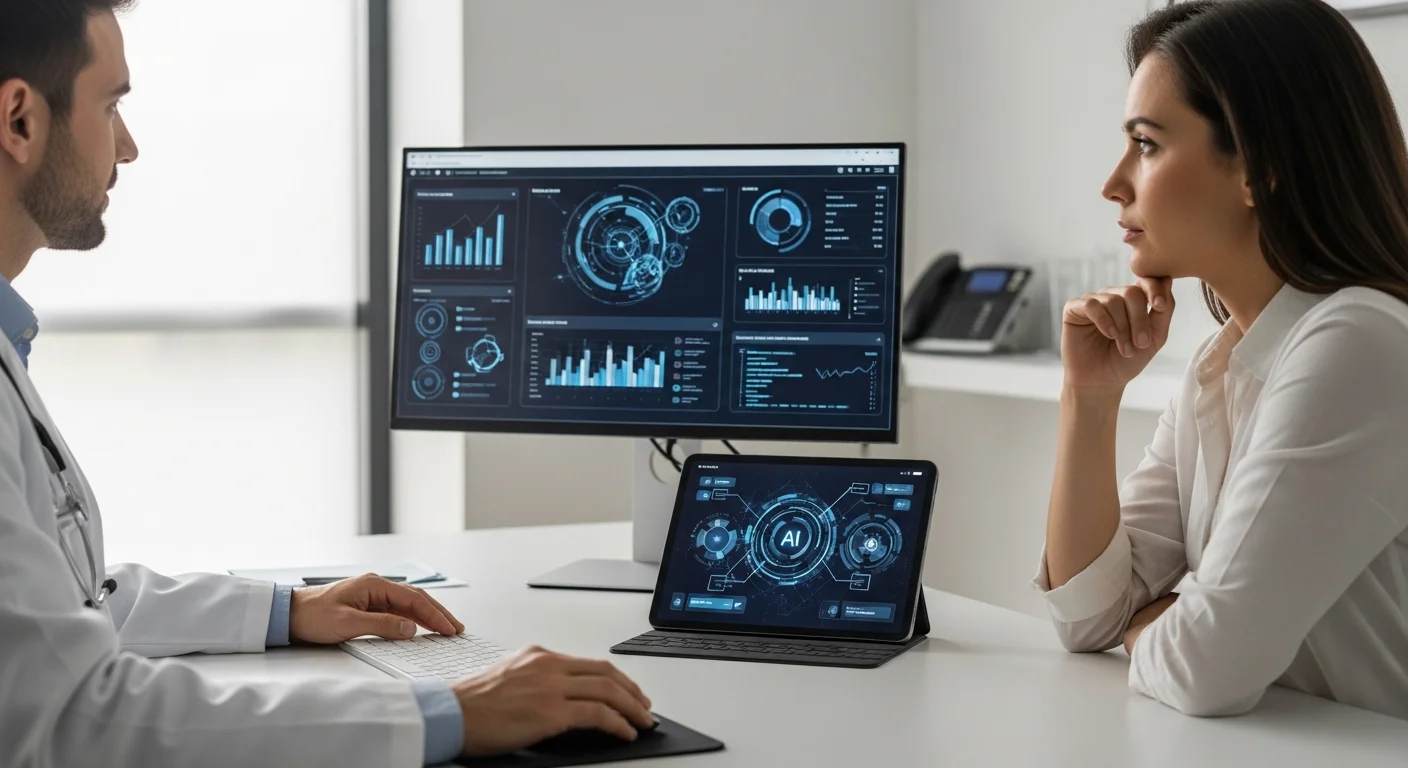
The use of AI for differential diagnosis accuracy provides clinicians with a broad perspective that might otherwise be narrowed by cognitive bias. The system analyzes symptoms against massive medical datasets to suggest possible conditions that fit the clinical profile.
Data-Driven Probability Scoring
Unlike traditional checklists, diagnostic probability tools for clinicians assign percentage-based likelihoods to each potential diagnosis. This ranking helps doctors prioritize tests and interventions based on the most statistically probable outcomes, improving diagnostic safety.
Ready to transform your clinic's workflow with AI-driven summaries?
Explore EduMedic.ai Features →Clinical Decision Support System Benefits
Reducing Cognitive Load for Physicians
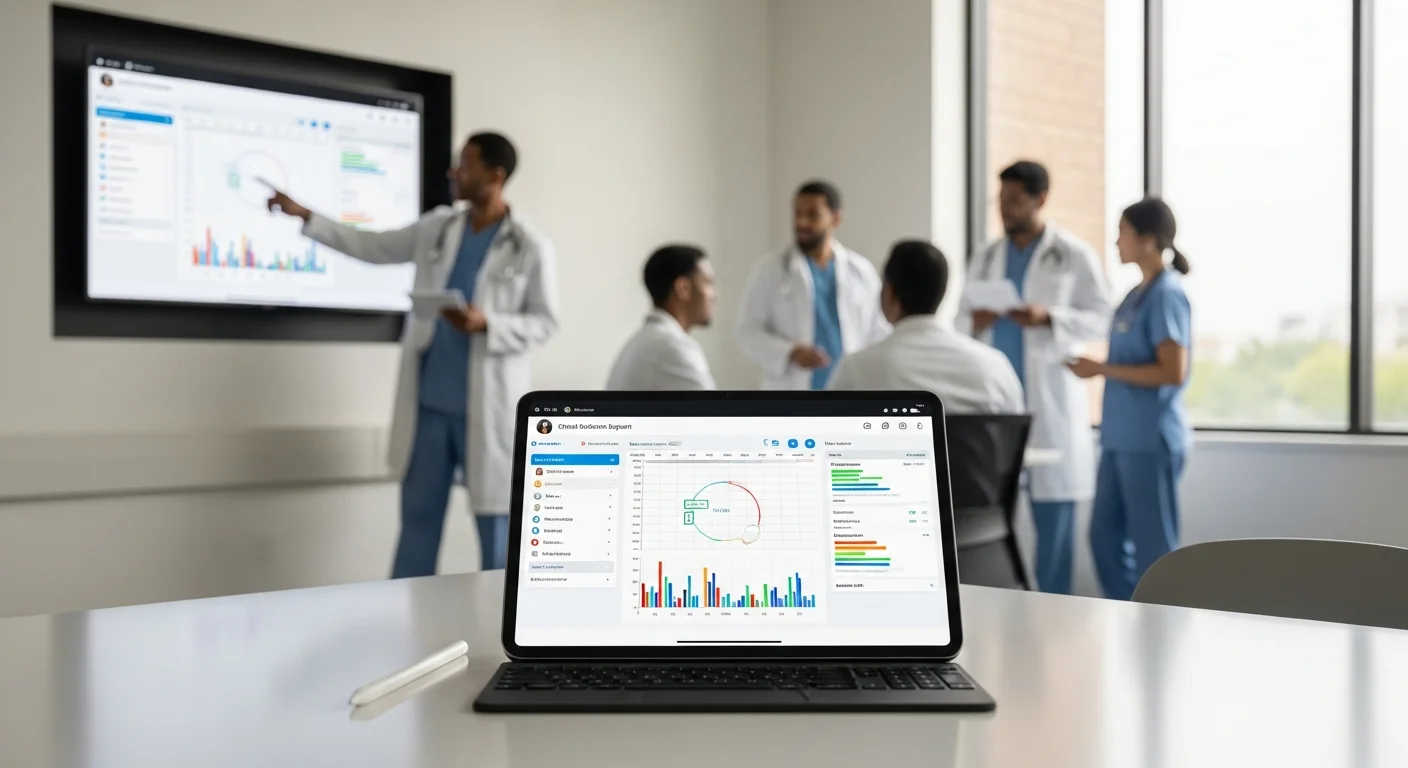
One of the primary clinical decision support system benefits is the reduction of "information overload." By filtering out noise and presenting only the most relevant clinical data points, EduMedic allows doctors to maintain mental clarity throughout a long shift.
Improving Patient Outcomes
Studies cited by the HealthIT.gov guide on CDS show that these systems significantly increase adherence to evidence-based protocols. When a doctor has a patient data to clinical action platform, the likelihood of missing a critical step in a care plan decreases dramatically.
Medication Safety Software for Clinics
Real-Time Drug Interaction Alerts
Using medication safety software for clinics is vital for polypharmacy management. EduMedic provides specific warnings based on the exact drug profile, rather than generic alerts that lead to alert fatigue among staff.
Verified Sources from FDA and EMA
Access to medication tables with FDA sources ensures that every prescription recommendation is backed by the latest regulatory data. According to the FDA Drug Information portal, staying updated on drug labels is a critical component of preventing adverse drug events.
Enhance your patient safety protocols today.
Get Started with EduMedic →Clinical AI vs Manual Diagnosis
Speed and Scale of Data Processing
When comparing clinical AI vs manual diagnosis, the most striking difference is processing speed. An AI can cross-reference symptoms against thousands of potential syndromes in milliseconds, whereas manual searching is limited by human memory and research speed.
Minimizing Human Error in Complex Cases
Complex cases with multi-system symptoms are where AI shines. By providing a broad list of differentials, AI prevents the "premature closure" of a case, a common diagnostic error described by the World Health Organization as a major risk factor in patient safety.
Clinical Prognosis Timeline Tools
Visualizing Patient Recovery
The use of clinical prognosis timeline tools helps manage patient expectations. These visual aids show the typical trajectory of a disease and the milestones required for recovery, which improves patient compliance and satisfaction.
Establishing Clear Stopping Rules
Prognosis timelines also include logical stopping rules for medications or treatments that are no longer effective. This systematic approach, integrated into best clinical decision support for doctors, prevents over-treatment and reduces long-term side effects for the patient.
| Feature | Manual Consultation | EduMedic AI Support |
|---|---|---|
| Intake Speed | 15-20 minutes manual interview | Automated pre-visit collection |
| Diagnosis Basis | Personal experience/memory | Global medical datasets & probability (%) |
| Safety Checks | Manual cross-referencing | Real-time FDA/EMA verified alerts |
Frequently Asked Questions
How does AI improve differential diagnosis accuracy?
AI improves accuracy by analyzing patient symptoms against a massive database of medical conditions, providing a probability-based list of potential diagnoses. This reduces cognitive bias and ensures that rare or complex conditions are considered alongside common ones.
What are the main clinical decision support system benefits?
The primary benefits include reduced administrative time, enhanced diagnostic safety, better medication oversight, and a decrease in physician burnout. It acts as a digital co-pilot that helps doctors make more informed decisions faster.
Is the medication information updated regularly?
Yes, EduMedic uses verified medication tables sourced directly from the FDA, EMA, and Basemed. This ensures that clinical decisions are based on the most current safety warnings and pharmaceutical data available.
Can AI reduce physician burnout in busy clinics?
By automating the most repetitive parts of the consultation—such as history taking and summary writing—AI significantly reduces the cognitive load on physicians. This allows them to focus on patients rather than screens, which is a major factor in reducing burnout.
How do patients benefit from automated intake?
Patients feel better prepared for their visits and appreciate that their doctor already has an understanding of their concerns. It also leads to more focused consultations where the patient's time is used more efficiently for treatment planning.
Conclusion
Integrating advanced AI for differential diagnosis accuracy into daily practice is no longer just a trend—it is a necessity for the future of sustainable healthcare. Systems like EduMedic.ai provide a robust framework for managing the complexities of modern medicine while ensuring that patient safety and physician well-being remain top priorities.
By harnessing clinical decision support system benefits, clinics can move from reactive data collection to proactive clinical action. The result is a more efficient, accurate, and satisfying experience for both the medical provider and the patient.
Ready to see how EduMedic can transform your clinical practice?
Start Your Free Trial →About the Author

Written by Aurelian Jibleanu, AI Software Engineer
Aurelian Jibleanu is an AI Software Engineer with 5+ years in AI medical applications and smart medical devices & 11+ years of experience building intelligent applications. Specializing in machine learning and medical data science, he's passionate about making AI accessible and practical for everyone. www.dollarappdev.com www.url2ad.com www.edumedic.ai https://apps.shopify.com/seo-auto-write-easy-blog