Key Takeaways
- AI clinical decision support tools significantly reduce the time spent on manual documentation
- Automated patient history collection ensures clinicians receive structured and actionable data
- Differential diagnosis probability scoring helps clinicians prioritize high-risk conditions
- Integrated medication safety modules reduce the risk of adverse drug events using verified data
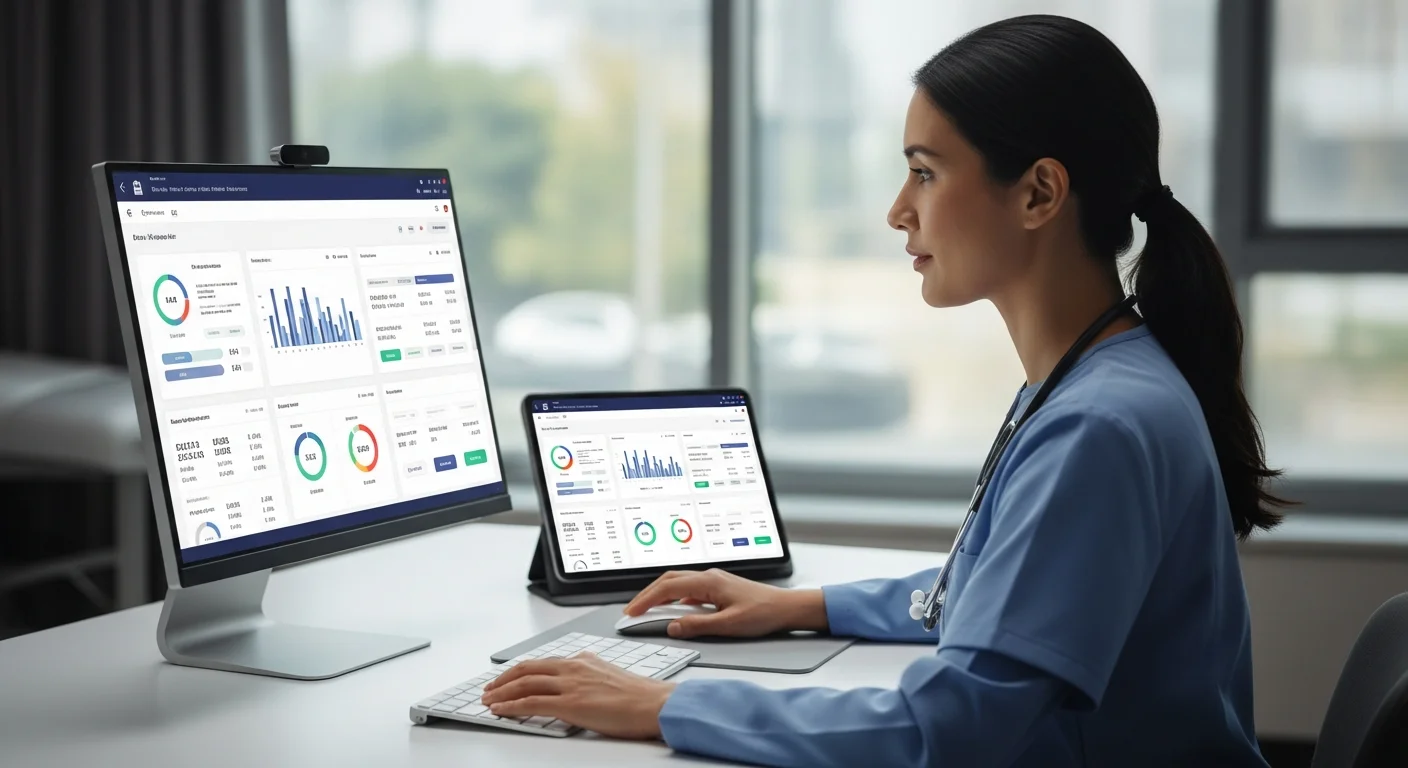
In the current medical landscape, clinicians are increasingly burdened by administrative tasks and fragmented patient data. According to National Institutes of Health research, physician burnout is often linked to the high volume of EHR documentation. This is where AI clinical decision support tools like EduMedic.ai transform the workflow by automating the transition from raw data to clinical insights.
EduMedic.ai serves as a bridge between the patient's initial input and the doctor's final diagnosis. By utilizing advanced algorithms to collect essential information before the visit, the platform allows doctors to focus on the human element of care rather than data entry. This guide explores how these technologies are reshaping modern practice.
The Rise of AI Clinical Decision Support Tools

EduMedic.ai
Buy NowThe Shift Toward Data-Driven Care
The adoption of AI clinical decision support tools is no longer a futuristic concept but a necessity for scaling healthcare. These systems analyze vast datasets to provide real-time recommendations, ensuring that no symptom is overlooked during a high-pressure shift.
Reducing Cognitive Load for Doctors
By organizing patient history into a structured clinical summary, AI reduces the cognitive load on healthcare providers. Instead of scanning pages of notes, clinicians receive a prioritized list of findings, allowing for more precise medical reasoning.
Ready to streamline your medical practice workflow?
Explore EduMedic.ai Features →How to Improve Patient Consultation Speed
Pre-Visit Data Collection Strategies
One of the most effective ways to improve patient consultation speed is to move the intake process outside the exam room. EduMedic collects essential information before the patient even walks through the door, providing a ready-to-act summary.
Eliminating Redundant Questioning
When the clinician already has a comprehensive overview of the chief complaint and history, they can skip basic questioning. This efficiency gain allows for deeper clinical investigation into complex issues within the same 15-minute window.
AI for Differential Diagnosis: Beyond Pattern Recognition
Probability Scoring and Logic
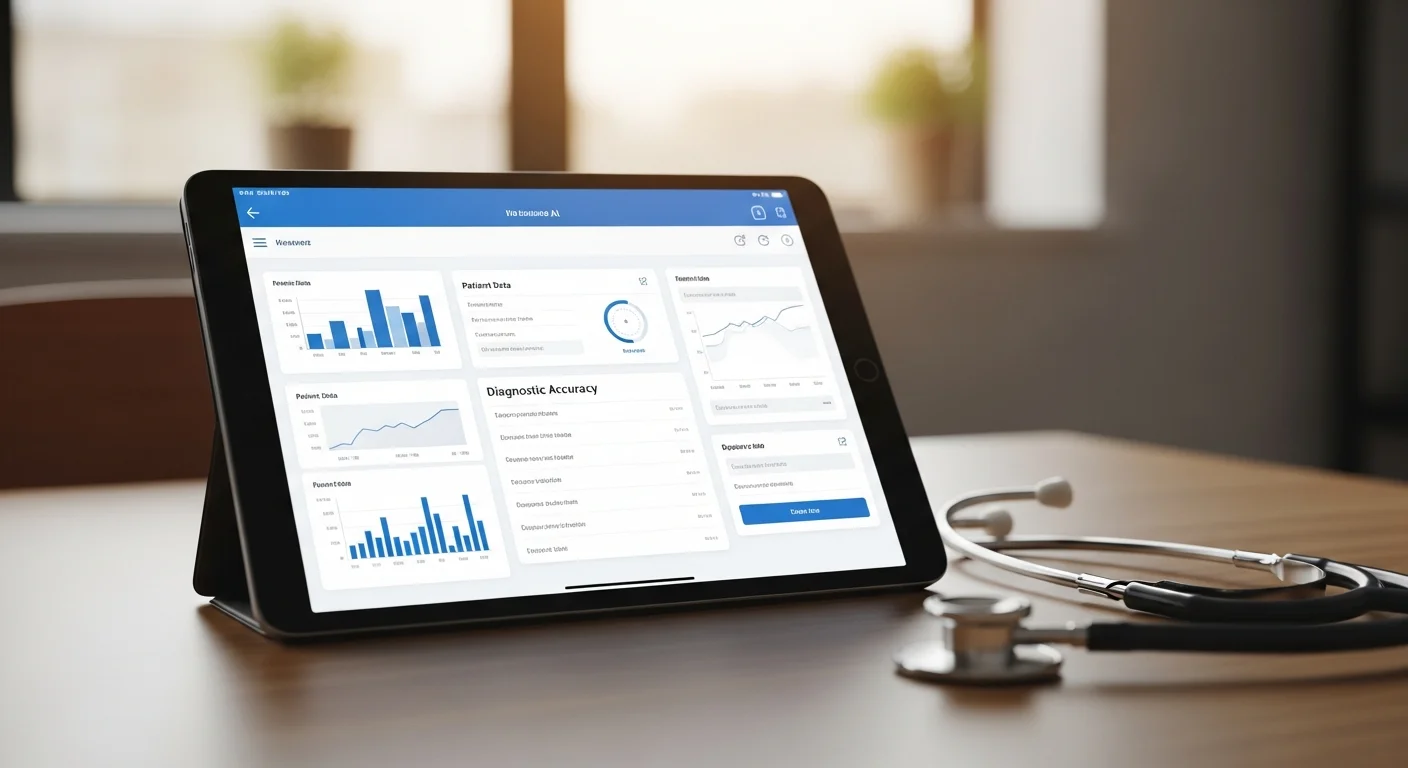
Using AI for differential diagnosis provides clinicians with a list of possibilities ranked by probability percentages. This objective analysis acts as a safety net against common cognitive biases in medicine.
Evidence-Based Clinical Reasoning
According to World Health Organization data, diagnostic errors affect millions of patients annually. AI tools mitigate this by linking patient symptoms to peer-reviewed clinical databases instantly.
Automate your clinical summaries and save hours daily.
Get Started with EduMedic →Clinical Summary vs Manual Charting: Efficiency Gains
The End of "Death by a Thousand Clicks"
Comparing clinical summary vs manual charting reveals a stark difference in time allocation. Manual charting often requires hours of post-clinic work, whereas AI-generated summaries are ready for review immediately after data collection.
Structuring Raw Patient Data
EduMedic takes raw patient descriptions and converts them into standardized clinical terminology. This ensures that the medical record is accurate, professional, and easily understood by the entire care team.
| Feature | Clinical Benefit |
|---|---|
| Differential Diagnosis | Reduces diagnostic oversight with % probabilities |
| Medication Tables | Instant access to Basemed, FDA, and EMA data |
| Prognosis Timeline | Sets clear stop rules and recovery expectations |
| Safety Modules | Specific warnings (not generic) for better safety |
The Impact of AI-Driven Medication Safety Modules
Specific Warnings Over Generic Alerts
AI-driven medication safety modules address "alert fatigue" by providing specific, patient-contextual warnings. Instead of a generic drug-drug interaction alert, EduMedic highlights risks tailored to the patient’s current physiological state.
Verified Sources: FDA and EMA Integration
Trust is paramount in pharmacology. According to European Medicines Agency protocols, real-time access to drug updates is vital for patient safety. EduMedic integrates data from Basemed, the FDA, and EMA to ensure prescription accuracy.
Improving Clinical Decision Making with AI
Automated Prognosis Timelines
Improving clinical decision making with AI involves more than just diagnosis; it’s about management. Automated prognosis timelines help clinicians communicate realistic recovery phases and "stopping rules" for medications to their patients.
Data to Action: The Clinical Summary
A raw list of symptoms is data, but a structured clinical summary is intelligence. By transforming patient inputs into an actionable plan, EduMedic ensures that the transition from diagnosis to treatment is seamless and evidenced-based.
Transform your patient information into action today.
Try EduMedic for Free →
Frequently Asked Questions
What are AI clinical decision support tools?
AI clinical decision support tools are software applications that use advanced algorithms to analyze patient data and assist clinicians with tasks like diagnosis, treatment planning, and medication safety. They act as an intelligent assistant to enhance human expertise.
How does EduMedic improve patient consultation speed?
EduMedic improves consultation speed by collecting patient history and symptoms before the visit. It then processes this raw data into a structured clinical summary, allowing the doctor to review findings in seconds rather than spending time on manual data entry.
Is the AI for differential diagnosis accurate?
The AI for differential diagnosis provides suggestions based on probability scores derived from vast medical databases. While it is highly accurate in identifying potential conditions, it is designed to support, not replace, the final judgment of a qualified medical professional.
Where does the medication data come from?
EduMedic pulls information from globally recognized and verified drug information sources for doctors, including Basemed, the FDA (U.S. Food and Drug Administration), and the EMA (European Medicines Agency). This ensures all drug tables and safety alerts are current.
Can it help with medication safety?
Yes, the platform includes AI-driven medication safety modules that provide specific warnings tailored to the patient's profile. This helps prevent adverse drug interactions and ensures safer prescribing practices compared to generic alert systems.
Conclusion
The integration of AI clinical decision support tools into daily medical practice is essential for addressing the growing demands on the healthcare system. By automating patient history collection and providing data-driven diagnostic support, EduMedic.ai empowers clinicians to deliver faster, safer, and more personalized care.
As we move toward a more digital-first approach in clinics, tools that bridge the gap between raw patient data and clinical action will be the hallmark of successful practices. Reclaim your time and improve your clinical outcomes by embracing the power of AI-driven clinical summaries and advanced safety modules.
About the Author

Written by Aurelian Jibleanu, AI Software Engineer
Aurelian Jibleanu is an AI Software Engineer with 5+ years in AI medical applications and smart medical devices & 11+ years of experience building intelligent applications. Specializing in machine learning and medical data science, he's passionate about making AI accessible and practical for everyone. www.dollarappdev.com www.url2ad.com www.edumedic.ai https://apps.shopify.com/seo-auto-write-easy-blog