Key Takeaways
- AI-driven platforms significantly reduce the time spent on manual patient data entry during visits.
- Automated clinical summaries allow doctors to focus on decision-making rather than administrative tasks.
- Real-time differential diagnosis with probability scoring increases diagnostic accuracy.
- Medication safety modules prevent adverse drug reactions using verified global databases.
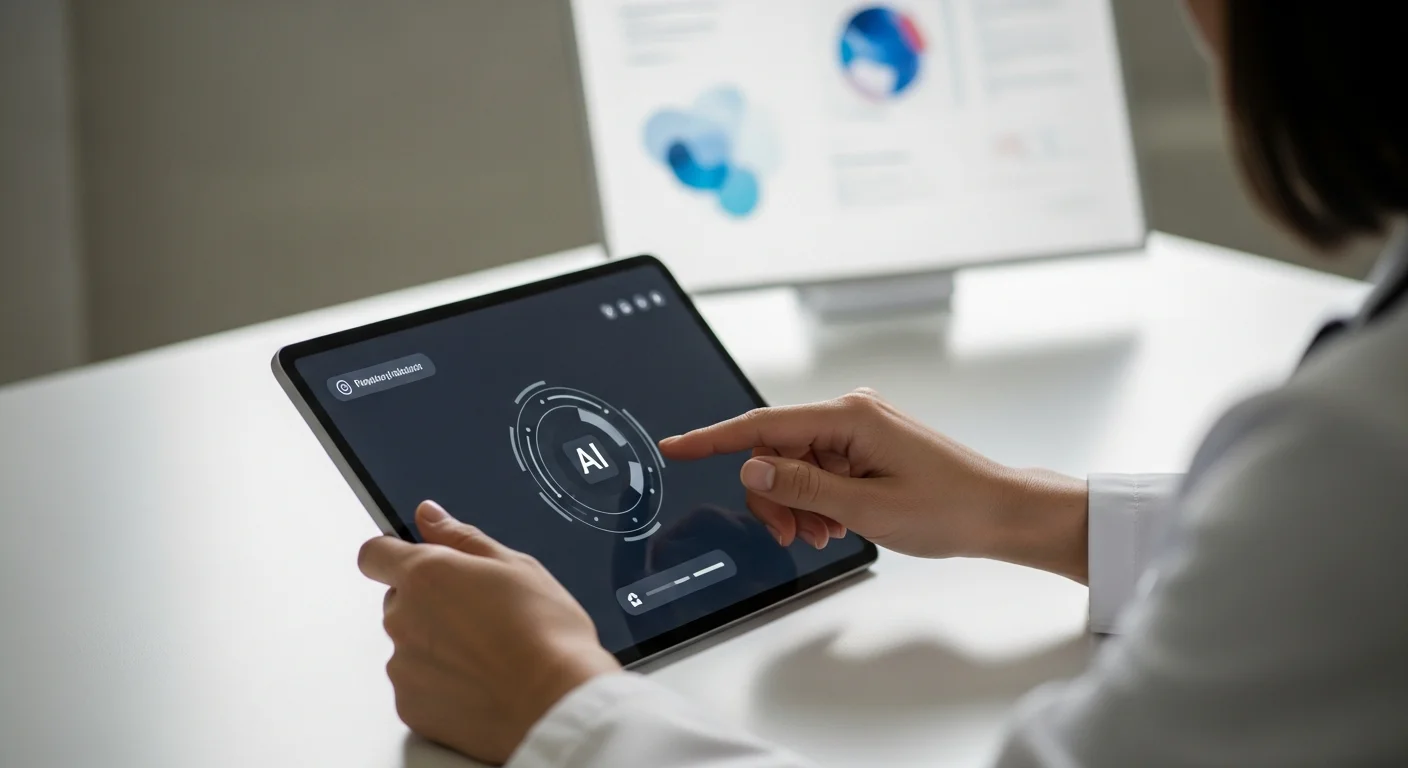
The modern healthcare landscape is under immense pressure, with physicians spending more time on documentation than with their patients. AI clinical decision support systems (CDSS) are emerging as the essential solution to this burnout crisis. By integrating advanced algorithms into the workflow, these tools provide real-time assistance that enhances the quality of care.
According to National Institutes of Health research, the use of AI in clinical settings can lead to faster diagnostic pipelines and reduced medical errors. EduMedic.ai stands at the forefront of this revolution, bridging the gap between raw patient data and expert clinical decisions.
The Evolution of AI Clinical Decision Support Systems

EduMedic.ai
Buy NowMoving Beyond Static Databases
Traditional decision support was often limited to simple lookup tables. Modern AI clinical decision support systems now utilize machine learning to analyze complex patterns in patient history. This shift allows for more personalized and predictive care models.
The Role of Data Integration
Effective AI requires high-quality data. By collecting essential patient information before the visit, tools like EduMedic ensure that the clinician has a comprehensive view of the patient's health status immediately upon entry.
How to Speed Up Medical Consultations with Automated Intake
Reducing Administrative Burden
One of the most effective ways to learn how to speed up medical consultations is to automate the intake process. EduMedic collects symptoms and history before the doctor even enters the room, saving up to 30% of consultation time.
Better Prepared Patients
When patients interact with an intelligent intake form, they are forced to think through their symptoms clearly. This results in more accurate information being presented to the physician, reducing the need for repetitive questioning.
Ready to transform your clinical workflow?
Get Started with EduMedic →Transforming Patient Data into Actionable Clinical Summaries
From Raw Data to Insight
Physicians are often overwhelmed by fragmented data. Clinical summary tools for doctors like EduMedic synthesize disparate data points into a cohesive narrative. This allows for rapid scanning and immediate clinical action.
The Structure of a Good Summary
According to Wikipedia's overview of clinical summaries, a professional summary should include chief complaints, active medications, and pertinent history. EduMedic automates this structure perfectly.
Advancing Differential Diagnosis Software with Probabilities
Probability-Based Clinical Reasoning
Diagnosis is rarely black and white. Using differential diagnosis software with probabilities allows clinicians to weigh the most likely outcomes based on statistical data and patient-specific risk factors.
Reducing Diagnostic Momentum
AI helps prevent cognitive biases by suggesting diagnoses that the physician might have overlooked. By presenting a ranked list of possibilities, EduMedic ensures a more thorough investigation of the patient's condition.
Explore the advanced diagnostic engine of EduMedic today.
View Demo →Enhancing Patient Outcomes with Medication Safety Modules
Verified Global Sources
Medication safety is paramount. EduMedic cross-references prescriptions with data from the FDA and EMA, ensuring that all medication safety modules for clinicians are up to date with the latest regulatory warnings.
Specific vs. Generic Warnings
Many systems provide generic warnings that lead to alert fatigue. EduMedic provides specific drug-drug and drug-condition warnings, tailored to the unique profile of the patient in the room.
| Feature | EduMedic Advantage |
|---|---|
| Differential Diagnosis | Detailed probabilities based on clinical data. |
| Drug Information | Verified via Basemed, FDA, and EMA sources. |
| Intake Automation | Pre-consultation data collection for faster visits. |
Future-Proofing Healthcare with Real-Time Prognostic Timelines
The Power of Visual Prognostics
Real-time prognostic timelines for patients help clinicians visualize the expected course of an illness. This transparency improves patient trust and adherence to treatment plans.
Clear Stopping Rules
EduMedic includes clear stopping rules in its prognostic modules. Knowing when to escalate or cease a particular treatment is just as important as knowing when to start it, according to World Health Organization clinical guidelines.
Join the next generation of data-driven clinicians.
Try EduMedic AI Free →
Frequently Asked Questions
What are AI clinical decision support systems?
AI clinical decision support systems are software tools that use artificial intelligence to analyze patient data and provide clinicians with actionable insights, such as diagnostic suggestions and medication warnings, to improve patient care.
How does EduMedic speed up medical consultations?
EduMedic automates the patient intake process by collecting essential health information before the visit. This allows doctors to enter the room with a complete clinical summary, focusing on decision-making rather than data entry.
Is the medication data in EduMedic verified?
Yes, all drug information and safety warnings within EduMedic are sourced from highly authoritative and verified databases, including Basemed, the FDA, and the EMA.
How accurate is the differential diagnosis probability?
EduMedic uses advanced algorithms to calculate the probability of various conditions based on the clinical evidence provided. While it serves as a powerful aid, it is designed to support, not replace, the final judgment of a qualified physician.
Does the system provide specific drug warnings?
Yes, unlike many other systems that offer generic alerts, EduMedic provides drug-specific warnings that account for individual patient factors and specific clinical contexts.
Conclusion
The integration of AI clinical decision support systems like EduMedic into daily practice is no longer a luxury—it is a necessity for modern healthcare efficiency. By automating the mundane tasks of data collection and synthesis, we empower physicians to do what they do best: care for patients with precision and empathy.
As we move forward, the collaboration between human expertise and AI-driven insights will continue to define the gold standard of medicine. Experience the future of clinical workflow today with EduMedic.ai.
About the Author

Written by Aurelian Jibleanu, AI Software Engineer
Aurelian Jibleanu is an AI Software Engineer with 5+ years in AI medical applications and smart medical devices & 11+ years of experience building intelligent applications. Specializing in machine learning and medical data science, he's passionate about making AI accessible and practical for everyone. www.dollarappdev.com www.url2ad.com www.edumedic.ai https://apps.shopify.com/seo-auto-write-easy-blog