Key Takeaways
- AI clinical decision support systems significantly reduce the time spent on manual data entry and patient history review.
- Automated clinical summaries provide doctors with structured data ready for immediate diagnostic action.
- Integrating verified sources like FDA and EMA ensures medication safety and prevents adverse drug events.
- Differential diagnosis powered by probability percentages helps clinicians prioritize critical health concerns.
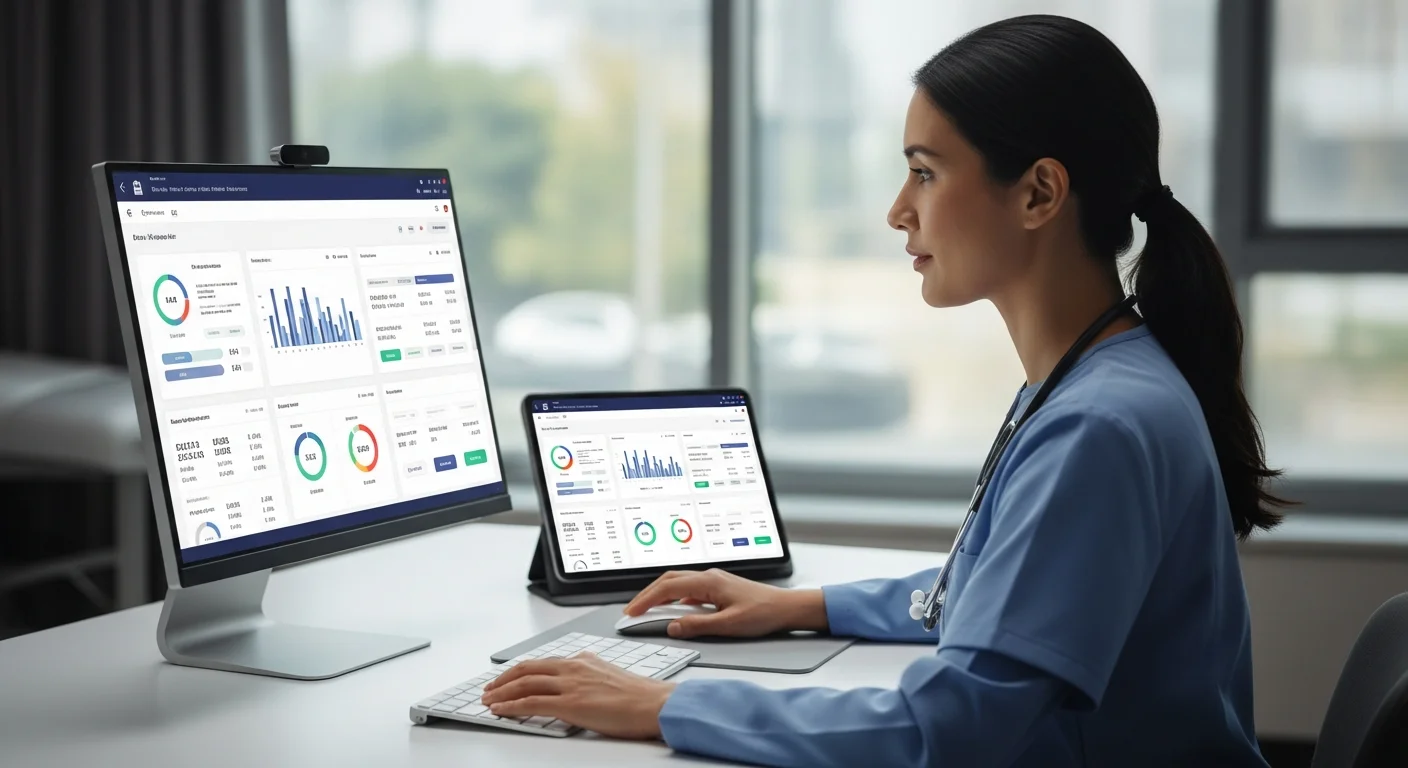
The healthcare industry is facing an unprecedented level of physician burnout due to administrative burdens. AI clinical decision support systems are emerging as the essential solution to this crisis. By automating the collection of patient data before the appointment even begins, tools like EduMedic.ai allow doctors to focus on the human element of care.
According to research on clinical decision support system frameworks, integrating AI into the workflow can improve patient outcomes by providing timely, evidence-based recommendations. This article explores how modern technology bridges the gap between raw data and clinical excellence.
Ready to transform your practice with AI?
Get Started with EduMedic.ai →The Evolution of AI Clinical Decision Support Systems

EduMedic.ai
Buy NowFrom Manual Records to Intelligent Insights
Historically, doctors relied on paper charts and manual cross-referencing of medical literature. Today, AI clinical decision support systems aggregate vast amounts of medical knowledge in seconds. This shift allows for a more proactive approach to patient management.
The Role of Evidence-Based Medicine
By utilizing verified sources such as the PubMed medical database, AI ensures that clinical suggestions are grounded in the latest scientific research. This reduces the reliance on memory and minimizes cognitive bias during diagnosis.
How to Speed Up Medical Consultations Using Automated Summaries
Pre-Visit Data Collection
One of the most effective ways regarding how to speed up medical consultations is collecting essential information before the patient enters the room. EduMedic.ai gathers symptoms and history, presenting them as a concise, actionable clinical summary.
Eliminating Administrative Bottlenecks
When doctors don't have to spend the first 10 minutes of a visit typing out basic details, they can dive straight into complex problem-solving. This significantly enhances the throughput of a busy clinic without sacrificing quality of care.
Maximizing Clinical Efficiency with Patient Information Management
Structured vs. Unstructured Data
The greatest patient information management challenges involve turning messy, narrative descriptions into structured data. AI excels at extracting key clinical markers from raw patient input, organizing them into logical timelines.
Real-Time Probability Mapping
EduMedic provides a detailed differential diagnosis accompanied by probability percentages. This allows the clinician to see the most likely scenarios at a glance, further increasing clinical efficiency through patient summaries.
Experience the future of clinical documentation.
Book a Demo Today →Why AI Medical Assistants Reduce Diagnostic Errors
The Power of Second Opinions
When comparing AI medical assistants vs traditional charting, the primary difference is active logic. AI doesn't just store information; it analyzes it for inconsistencies or missed symptoms that could lead to a misdiagnosis.
According to WHO Research
According to the World Health Organization patient safety data, diagnostic errors are a leading cause of preventable harm. AI systems provide a crucial safety net by cross-referencing symptoms with global medical databases in real-time.
Medication Safety Alerts: Preventing Adverse Drug Events
Verified Regulatory Sources
EduMedic utilizes medication tables sourced from the U.S. Food and Drug Administration and the European Medicines Agency. This ensures that every warning is specific to the drug, not a generic catch-all alert.
Prognostic Timelines and Stopping Rules
Safety isn't just about what to prescribe, but when to stop. Advanced modules include prognostic timelines with clear stopping rules, helping clinicians manage chronic medication therapy safely and effectively.
| AI Feature | Clinical Benefit |
|---|---|
| Differential Diagnosis % | Prioritizes likely conditions and reduces diagnostic search time. |
| FDA/EMA Drug Alerts | Ensures compliance with global safety standards and reduces errors. |
| Automated Summaries | Reduces administrative burden and speeds up the consultation. |
Enhance your clinical decision-making today.
Explore EduMedic Features →
Frequently Asked Questions
How do AI clinical decision support systems improve patient safety?
AI systems improve safety by providing real-time alerts for drug interactions and suggesting differential diagnoses based on broad data sets. This helps catch potential issues that a human clinician might overlook during a busy shift.
What are the main benefits of AI in medical diagnosis?
The main benefits include increased speed, higher accuracy in complex cases, and the ability to process huge volumes of patient history instantly. It acts as an intelligent assistant that supports rather than replaces the doctor's judgment.
How does EduMedic gather patient data?
EduMedic uses a patient-facing interface to collect symptoms, medication history, and current concerns before the visit. This data is then processed into a clinical-grade summary for the physician to review.
Is the drug information in EduMedic verified?
Yes, all medication data is sourced and cross-verified with authoritative bodies like the FDA, EMA, and Basemed. This ensures that the clinical decision support provided is both safe and up-to-date.
Can AI clinical decision support systems reduce physician burnout?
By automating the most tedious parts of clinical documentation and research, AI allows doctors to focus on patient interaction. This reduction in administrative load is a key factor in combatting professional burnout.
In conclusion, the integration of AI clinical decision support systems like EduMedic.ai represents a significant leap forward in healthcare efficiency. By transforming raw patient data into actionable clinical summaries, doctors can provide faster, safer, and more accurate care.
As we continue to navigate the complexities of modern medicine, tools that prioritize clinical safety and operational efficiency will become indispensable. Embracing these AI medical assistants is the best way to ensure that both patients and providers thrive in the digital age.
About the Author

Written by Aurelian Jibleanu, AI Software Engineer
Aurelian Jibleanu is an AI Software Engineer with 5+ years in AI medical applications and smart medical devices & 11+ years of experience building intelligent applications. Specializing in machine learning and medical data science, he's passionate about making AI accessible and practical for everyone. www.dollarappdev.com www.url2ad.com www.edumedic.ai https://apps.shopify.com/seo-auto-write-easy-blog