Key Takeaways
- AI significantly reduces administrative burden by automating patient data collection before the visit
- Automated clinical summaries provide physicians with actionable insights in seconds
- Differential diagnosis tools with probability percentages improve diagnostic accuracy and speed
- Verified drug databases from FDA and EMA ensure medication safety and prevent adverse reactions
The modern healthcare landscape is characterized by increasing patient volumes and a staggering amount of data. For many physicians, the primary challenge is not the lack of information, but the time required to process it effectively. AI clinical decision support systems are emerging as the essential bridge between raw patient data and informed clinical action.
By automating the tedious aspects of documentation and data synthesis, clinicians can refocus their energy on what matters most: the patient. According to the National Center for Biotechnology Information research on AI in medicine, these tools are pivotal in reducing errors and enhancing the overall quality of care delivered in outpatient settings.
The Evolution of AI Clinical Decision Support Systems

EduMedic.ai
Buy NowFrom Static Databases to Intelligent Partners
Early clinical support tools were often little more than digital textbooks. Today, AI clinical decision support systems utilize advanced algorithms to analyze real-time patient inputs. This shift allows for personalized recommendations rather than generic protocols.
The Role of Deep Learning in Diagnosis
Modern systems leverage deep learning to identify patterns that might be invisible to the human eye. By processing thousands of previous cases, these tools help in recognizing rare conditions earlier in the patient journey.
Ready to reclaim your time and improve patient outcomes?
Explore EduMedic Features →How to Improve Medical Consultation Efficiency
Streamlining the Intake Process
One of the most effective ways regarding how to improve medical consultation efficiency is by moving the intake process outside the exam room. When patients provide their history via digital platforms beforehand, the doctor starts the visit with a complete picture.
Reducing Face-to-Screen Time
Physicians often spend more time looking at their computer than at the patient. Efficient AI tools minimize the need for manual data entry, allowing for more empathetic and direct communication during the consultation.
The Power of Automated Clinical Summary and Data Extraction
Turning Raw Data into Action
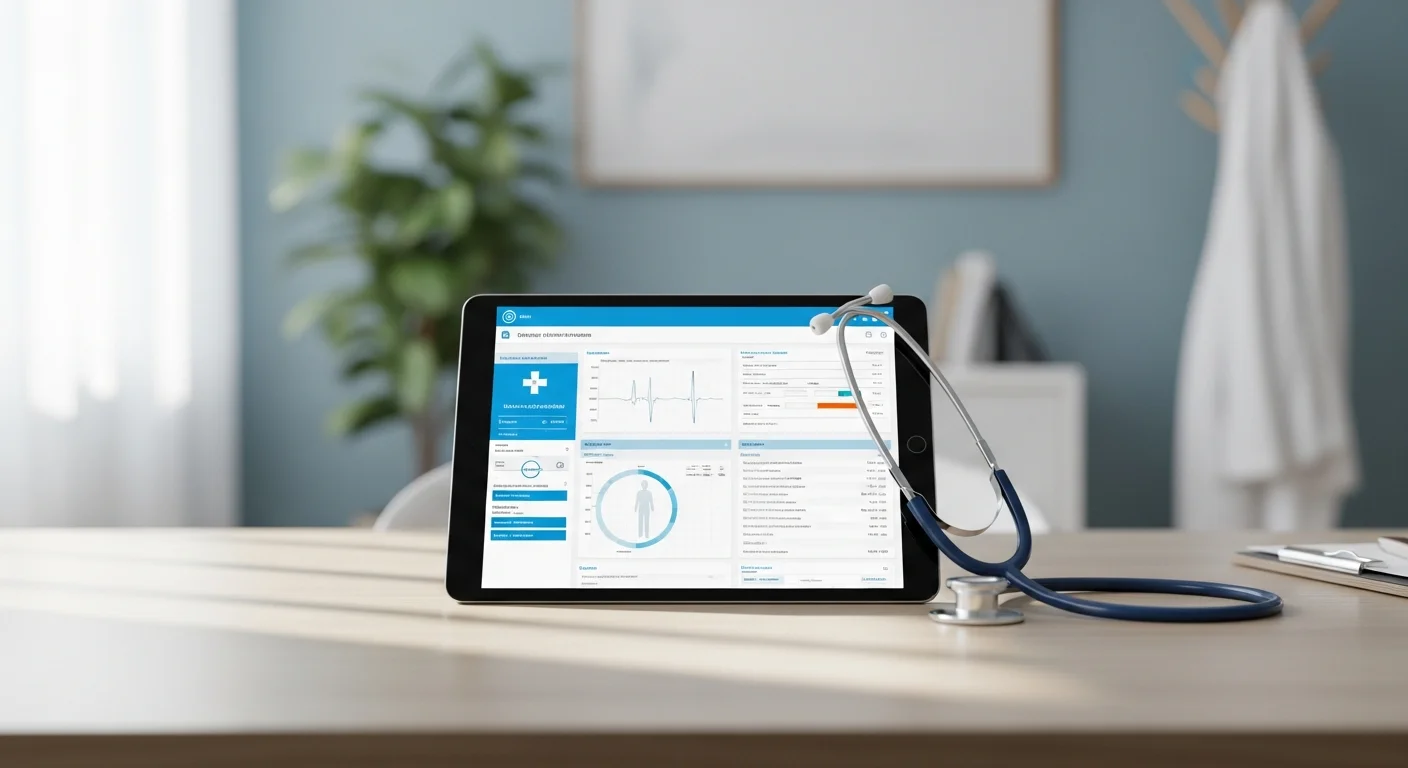
An automated clinical summary for doctors serves as a distilled version of the patient's entire medical narrative. It highlights allergies, current medications, and primary complaints, ensuring no critical detail is missed.
Structured vs. Unstructured Data
AI excel at taking unstructured patient descriptions and converting them into structured clinical data. This transformation is essential for accurate coding, billing, and long-term longitudinal tracking of patient health.
Join thousands of doctors optimizing their practice today.
Get Started with EduMedic →Enhancing Accuracy with an AI Differential Diagnosis Tool
Probability-Based Clinical Logic
Using an AI differential diagnosis tool provides a list of potential conditions ranked by probability. This helps prevent anchoring bias, where a clinician might focus too heavily on the first diagnosis that comes to mind.
Broadening the Diagnostic Scope
According to the World Health Organization report on patient safety, diagnostic errors contribute significantly to patient harm. AI tools serve as a safety net, suggesting less common conditions that fit the symptom profile.
Ensuring Safety with Drug Safety Monitoring Software
Integrating Verified Drug Information
Prescribing requires access to verified drug information for physicians. By integrating databases from the U.S. Food and Drug Administration (FDA) and the European Medicines Agency (EMA), EduMedic ensures that medication-specific warnings are always current.
| EduMedic Feature | Physician Benefit |
|---|---|
| Pre-visit Data Collection | Saves 5-10 minutes per patient consultation |
| AI Differential Diagnosis | Reduces cognitive load and diagnostic errors |
| Verified Drug Tables | Immediate access to FDA/EMA safety protocols |
| Prognosis Timelines | Clearer communication of treatment expectations |
Specific Warnings Over Generic Alerts
Generic alert fatigue is a real problem in healthcare. EduMedic provides medication-specific warnings that are relevant to the specific patient's profile, reducing the noise and highlighting actual risks.
Ready for the future of clinical decision support?
Start Your Free Trial →
Frequently Asked Questions
How do AI clinical decision support systems save time?
These systems automate the gathering and organization of patient history before the doctor enters the room. By presenting a structured summary, the physician spends less time typing and more time diagnosing.
Is patient data collection secure with EduMedic?
Yes, patient security is a priority. EduMedic utilizes advanced encryption and complies with healthcare data privacy standards to ensure all pre-consultation information remains confidential and secure.
Can the differential diagnosis tool replace a doctor?
No, the AI differential diagnosis tool is designed to support, not replace, clinical judgment. It acts as a digital consultant that provides probabilities and evidence-based suggestions for the doctor to review.
What sources does EduMedic use for drug information?
EduMedic pulls information from highly authoritative and verified sources. These include the FDA, the EMA, and BaseMed, ensuring that physicians have access to the latest clinical guidelines and safety warnings.
How does the automated clinical summary improve patient care?
The summary ensures that no critical symptoms or history elements are overlooked. It allows the physician to address all patient concerns systematically, leading to higher patient satisfaction and better health outcomes.
The integration of AI clinical decision support systems is no longer a luxury—it is a necessity for modern healthcare practices. By leveraging tools like EduMedic, doctors can significantly how to improve medical consultation efficiency while enhancing the safety and accuracy of their diagnoses.
As we move forward, the collaboration between human expertise and AI efficiency will define the standard of care. Embrace the future of medicine today by incorporating intelligent automation into your clinical workflow.
About the Author

Written by Aurelian Jibleanu, AI Software Engineer
Aurelian Jibleanu is an AI Software Engineer with 5+ years in AI medical applications and smart medical devices & 11+ years of experience building intelligent applications. Specializing in machine learning and medical data science, he's passionate about making AI accessible and practical for everyone. www.dollarappdev.com www.url2ad.com www.edumedic.ai https://apps.shopify.com/seo-auto-write-easy-blog