Key Takeaways
- AI automation significantly reduces the time spent on manual patient data entry
- Detailed clinical summaries allow doctors to focus on decision making rather than documentation
- Probability based differential diagnosis software enhances clinical diagnostic accuracy
- Verified medication databases ensure higher safety standards and fewer prescription errors
The modern healthcare landscape is increasingly defined by data saturation and administrative complexity. Physicians often spend more time navigating electronic health records than interacting with patients. This inefficiency contributes to rising burnout rates and can compromise the quality of care provided.
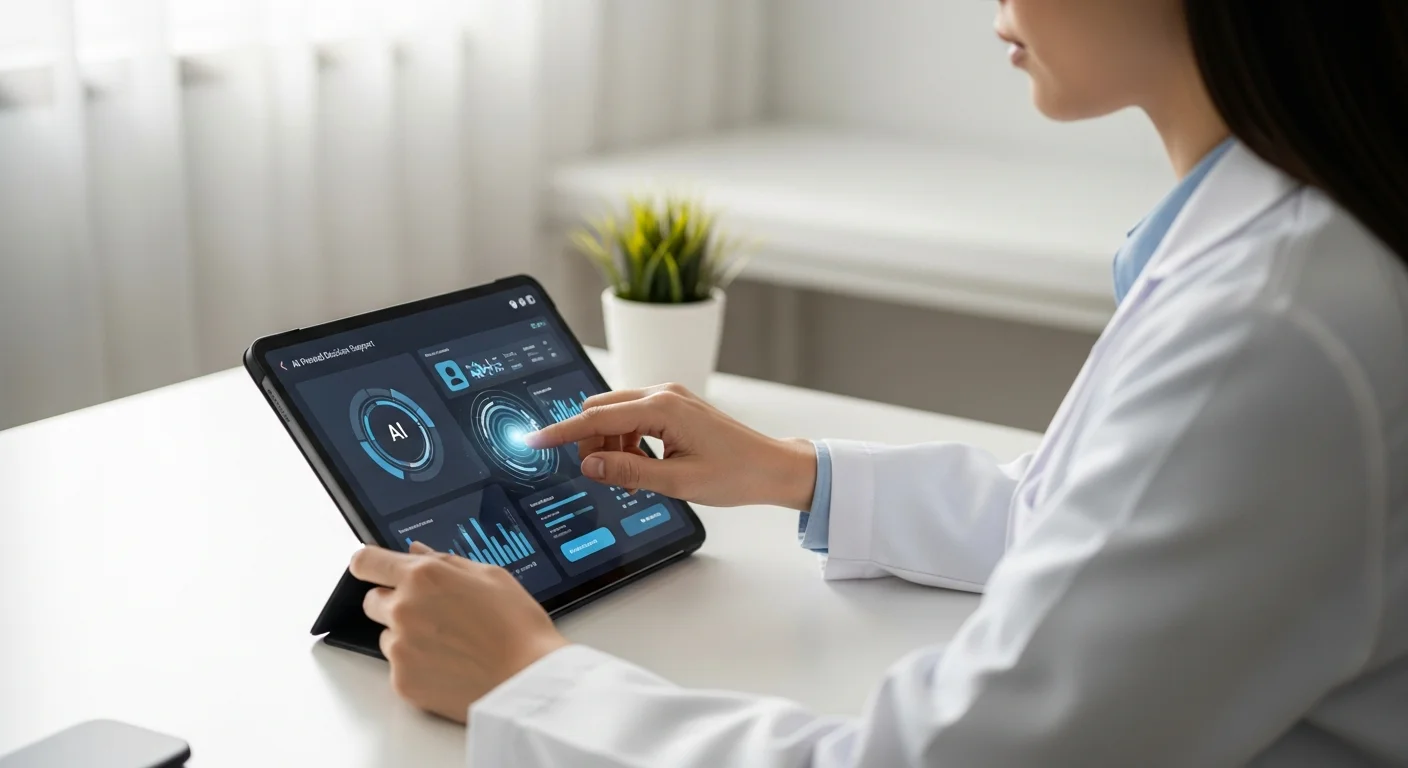
EduMedic.ai introduces a transformative approach to this challenge. By utilizing advanced AI clinical decision support tools, the platform bridges the gap between raw patient data and actionable clinical insights, allowing for faster consultations and better-prepared patients.
The Rise of AI Clinical Decision Support Tools

EduMedic.ai
Buy NowTransforming Data into Action
Clinical Decision Support (CDS) is not a new concept, but the integration of Artificial Intelligence has elevated its potential. According to the HealthIT.gov Clinical Decision Support guide, effective CDS systems improve patient outcomes and provider performance.
Evidence-Based Medicine in Real-Time
EduMedic ensures that clinical summaries are not just text but evidence-based roadmaps. By synthesizing data before the visit starts, clinicians can enter the room with a clear understanding of the patient's history and potential trajectory.
Ready to streamline your clinical workflow?
Explore EduMedic.ai Now →Patient Intake Automation Benefits
Reducing Pre-Visit Information Gaps
One of the primary medical patient intake automation benefits is the collection of essential information before the physician ever sees the patient. This ensures that the consultation time is dedicated to high-value clinical analysis rather than basic data entry.
Standardizing Patient Histories
Automating patient history collection creates a standardized data set that AI can process efficiently. This reduces the variability often found in manual intake processes and ensures that critical symptoms are never overlooked.
How to Improve Physician Workflow Efficiency
The Power of Clinical Summaries
Doctors are frequently looking for the best AI for clinical summaries to reduce their clerical workload. According to research from the National Library of Medicine, administrative tasks are a leading cause of burnout.
Shortening Consultation Times
By presenting a summary that is "ready for action," EduMedic allows doctors to review a patient's status in seconds. This speed does not come at the cost of quality; rather, it allows for more profound clinical investigation within the same time frame.
Differential Diagnosis Software with Probabilities
Precision Diagnostic Support
EduMedic provides differential diagnosis software with probabilities expressed in percentages. This allows clinicians to weigh various possibilities based on the specific clinical presentation and existing medical literature.
Reducing Diagnostic Bias
AI helps in highlighting rare conditions that a human clinician might not immediately consider. This objective perspective is vital for complex cases where symptoms may overlap across multiple pathologies.
Enhance your diagnostic accuracy with probability-based AI.
Get Started with EduMedic →Medication Safety Modules for Doctors
Verified Global Sources
EduMedic integrates medication tables using verified sources like Basemed, FDA, and EMA. This ensures that every drug recommendation or check is backed by the latest regulatory data.
Drug-Specific Warnings
Instead of generic alerts that lead to "alert fatigue," EduMedic provides drug-specific warnings. This focused approach ensures that physicians pay attention to the most critical safety information regarding drug interactions and contraindications.
Medical Prognosis Timeline Software
Visualizing the Patient Journey
The medical prognosis timeline software within EduMedic provides a chronological view of expected outcomes. It includes clear stopping rules, helping doctors determine when a treatment plan needs adjustment.
Improving Patient Communication
A visual timeline makes it easier to explain complex medical paths to patients. When patients understand the "when" and "why" of their treatment, compliance rates naturally increase, leading to better overall health results.
| EduMedic Feature | Clinical Benefit |
|---|---|
| Automated Intake | Reduces 70% of pre-visit data entry time |
| Probabilistic DDx | Provides objective diagnostic probabilities |
| Verified Med Tables | Direct links to FDA and EMA safety data |
| Prognosis Timeline | Clear visualization of treatment goals |
Frequently Asked Questions
How do AI clinical decision support tools improve safety?
These tools cross-reference patient data with massive medical databases to identify contraindications and risks that might be missed manually. EduMedic specifically uses verified sources like the FDA to ensure all drug information is current.
What are the main patient intake automation benefits?
The main benefits include significant time savings for clinicians and more accurately prepared patients. By collecting histories digitally before the appointment, the actual consultation remains focused on the patient's immediate clinical needs.
Is the differential diagnosis software accurate?
Yes, EduMedic uses probability-based algorithms that provide percentage-based likelihoods for various conditions. This serves as a secondary check for the physician, enhancing diagnostic precision and reducing cognitive bias.
Can this help with physician burnout?
Absolutely. By automating the most tedious parts of clinical documentation and data synthesis, EduMedic reduces the administrative load. This allows physicians to reclaim time and focus on why they entered medicine: helping people.
Where does the medication data come from?
The platform pulls data from highly authoritative sources, including Basemed, the FDA, and the European Medicines Agency (EMA). This ensures that clinicians are working with the most reliable and up-to-date pharmaceutical information available.
Conclusion
The integration of AI clinical decision support tools like EduMedic.ai represents a significant leap forward for medical practice management. By streamlining the patient intake process and providing high-fidelity clinical summaries, the platform empowers physicians to work smarter, not harder.
As healthcare continues to evolve, the ability to quickly synthesize data and make evidence-based decisions will be the hallmark of successful clinical practice. EduMedic offers the tools necessary to meet this challenge head-on, ensuring better patient care and improved provider satisfaction.
Ready to transform your clinical practice today?
Sign Up for EduMedic.ai →About the Author

Written by Aurelian Jibleanu, AI Software Engineer
Aurelian Jibleanu is an AI Software Engineer with 5+ years in AI medical applications and smart medical devices & 11+ years of experience building intelligent applications. Specializing in machine learning and medical data science, he's passionate about making AI accessible and practical for everyone. www.dollarappdev.com www.url2ad.com www.edumedic.ai https://apps.shopify.com/seo-auto-write-easy-blog